The conversation around dermal fillers has evolved—and for good reason. Today’s patients aren’t looking to change their faces; they’re looking to understand them. They want treatments that respect facial structure, preserve expression, and age intelligently rather than aggressively.
In Washington, DC, where personal presence, professionalism, and subtle confidence matter, the expectations around dermal fillers are different. The goal is no longer an obvious enhancement. Instead, it’s about balance—how the face carries emotion, how features relate to one another, and how small structural shifts over time affect overall appearance.
At Bella MedSpa, this modern philosophy aligns with a broader movement in aesthetic medicine: treating the face as a dynamic system, not a collection of isolated problem areas. This article explores a more thoughtful perspective on dermal fillers, focusing on education, facial harmony, and emerging insights—including an informational discussion on marionette lines—designed to help patients make informed decisions.
Note: This article was updated in December 2025 as part of an ongoing content strategy focused on accuracy, patient education, and evolving aesthetic best practices.
The name dermal fillers can be misleading. While volume restoration is one function, modern injectables are increasingly used for structural support, contour refinement, and facial balance.
As the face ages, changes occur beneath the skin. Bone density gradually decreases, fat pads shift downward, and connective tissues lose resilience. These changes don’t just create lines—they alter how the face holds itself. Strategic use of dermal fillers helps counteract these shifts by reinforcing areas that support overall facial architecture.
Rather than adding fullness everywhere, experienced providers focus on restoring what time has subtly removed, allowing the face to look rested and aligned without appearing altered.
One of the most overlooked aspects of dermal fillers is how interconnected facial regions truly are. A fold near the mouth may actually stem from volume loss higher in the face. A heavy lower face may reflect diminished jawline support rather than excess tissue.
This is why modern treatment plans often address multiple regions thoughtfully rather than chasing individual lines. By improving balance between the upper, mid, and lower face, dermal fillers can create results that feel cohesive and natural.
For patients in Washington, DC—many of whom value discretion and professionalism—this holistic approach reduces the risk of overcorrection and enhances long-term satisfaction.
Your face communicates constantly, even when you’re not speaking. Subtle changes in structure can influence how others perceive your mood, energy, and approachability.
Loss of support around the mouth or jawline can unintentionally project fatigue or tension. Thoughtfully placed dermal fillers can help restore neutral expression by supporting areas that have begun to pull downward, without restricting movement or emotion.
The goal isn’t to erase character—it’s to ensure your face reflects how you actually feel.
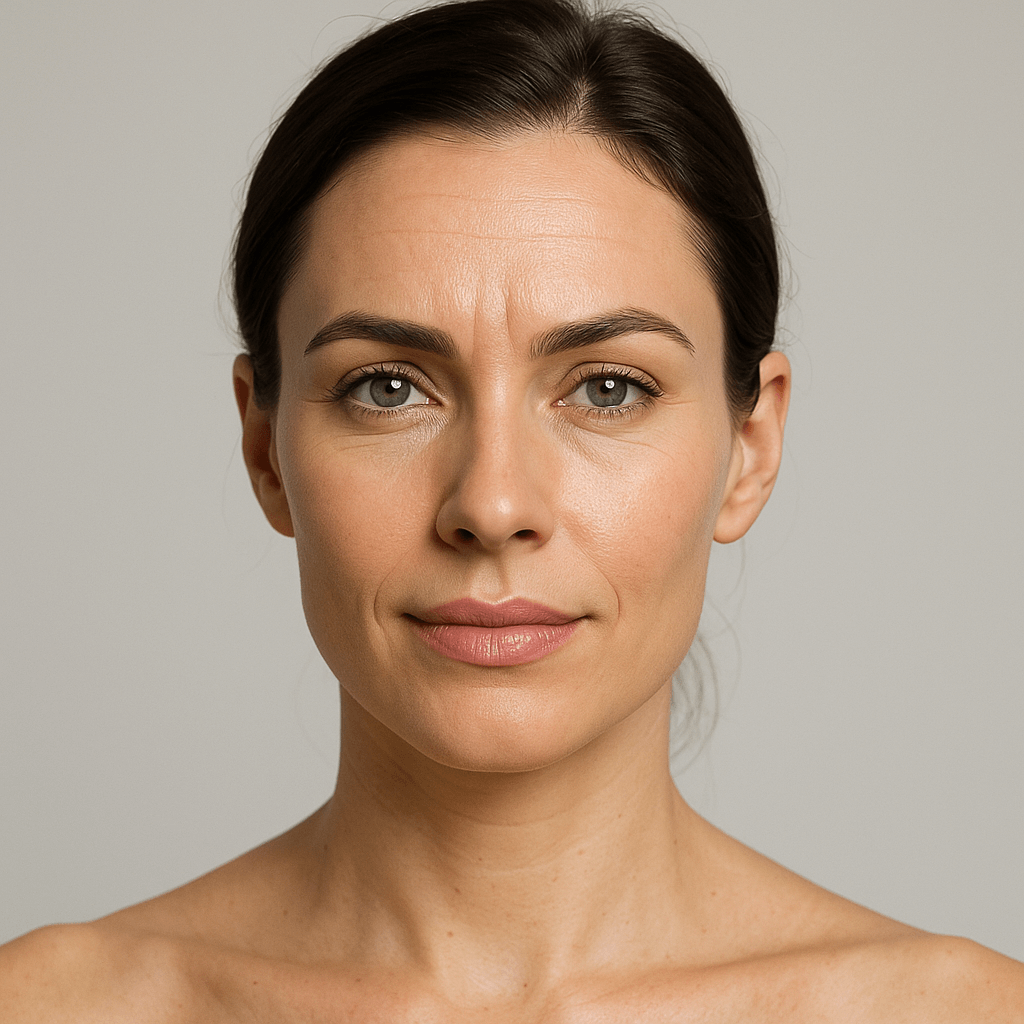
Marionette lines—vertical folds extending from the corners of the mouth toward the chin—are often misunderstood. While commonly associated with aging, they’re influenced by more than skin laxity alone.
Marionette lines typically develop due to a combination of:
They can create a downturned or stern appearance, even when a person feels neutral or positive.
From an informational standpoint, dermal fillers may be used to:
If marionette line treatment is not explicitly listed among Bella MedSpa’s current services, this section is intended for educational purposes only. Any injectable treatment should always be guided by an in-person consultation and individualized assessment.
Natural-looking outcomes with dermal fillers are the result of precision, restraint, and experience—not chance. Product selection, placement depth, and facial anatomy all play a role.
Modern fillers are designed to integrate with natural tissue, responding to movement rather than resisting it. When used conservatively, they don’t announce themselves. Instead, people notice that you look refreshed, well-rested, or more aligned—without being able to pinpoint why.
This understated result is particularly appealing to Washington, DC patients who want refinement without spectacle.
One of the most common questions patients ask about dermal fillers is how they fit into everyday life. Will they feel stiff? Will expressions change? How long do results last?
While longevity varies depending on product type, placement, and individual metabolism, most fillers gradually soften and metabolize over time. This allows for flexibility—adjustments can be made as facial structure and personal goals evolve.
Importantly, modern techniques prioritize natural movement. Facial expressions should remain fluid, not frozen.
Another emerging application of dermal fillers is preventative support. By reinforcing areas prone to volume loss or structural collapse, fillers may help slow the appearance of bigger changes over time.
This approach doesn’t mean treating aggressively or prematurely. Instead, it focuses on minimal, strategic intervention that respects the face’s natural aging process.
Many patients in Washington, DC, are embracing this forward-thinking mindset as part of a broader wellness and self-care philosophy.
No two faces age the same way, which is why customization is essential when using dermal fillers. Factors such as bone structure, skin thickness, muscle activity, and lifestyle all influence treatment planning.
A thoughtful approach considers:
This level of personalization ensures results feel cohesive, not piecemeal.
Perhaps the most meaningful benefit of dermal fillers is subtle confidence. When facial features feel supported and balanced, people often feel more aligned with how they see themselves internally.
Rather than striving for perfection, modern aesthetic treatments aim to remove distractions—softening features that unintentionally communicate fatigue or stress.
The result isn’t a new face, but a clearer version of your own.
The aesthetic landscape in Washington, DC continues to mature. Patients are informed, intentional, and selective. They value education, transparency, and results that respect individuality.
Dermal fillers, when approached with skill and restraint, align perfectly with these values. They offer adaptability, precision, and outcomes that evolve naturally over time.
The future of dermal fillers isn’t about more volume—it’s about better understanding. Structure, expression, and balance now guide treatment decisions, replacing outdated one-size-fits-all approaches.
For individuals exploring injectable aesthetics in Washington, DC, education is the first step. When used thoughtfully, dermal fillers don’t redefine who you are—they support how you show up, confidently and authentically.
A personalized consultation remains the best way to determine whether this approach aligns with your goals, ensuring results that feel intentional, refined, and truly yours.


Our inspiration comes not only from natural external beauty, but also from the beauty within. Our main focus is to help you achieve your personal beauty goals.










.png)












.png)




.png)
.png)
.png)
.png)









.png)